What Operations and Maintenance Really Looks Like After a Solar Project Goes Live
Many buyers spend a lot of time thinking about design and installation, then almost no time thinking about what happens after the system is turned on. That is understandable, but it misses an important part of the decision. A solar project is a long-term operating asset, and the ownership experience depends heavily on what happens after commissioning.
Monitoring and Visibility
In practice, operations and maintenance starts with visibility. Owners should know how the system is performing, whether production is tracking as expected, and who is responsible for responding when something looks off. That usually means monitoring software, alert handling, and a clear service contact, not just a promise that someone will be available if needed.
Maintenance and Inspections
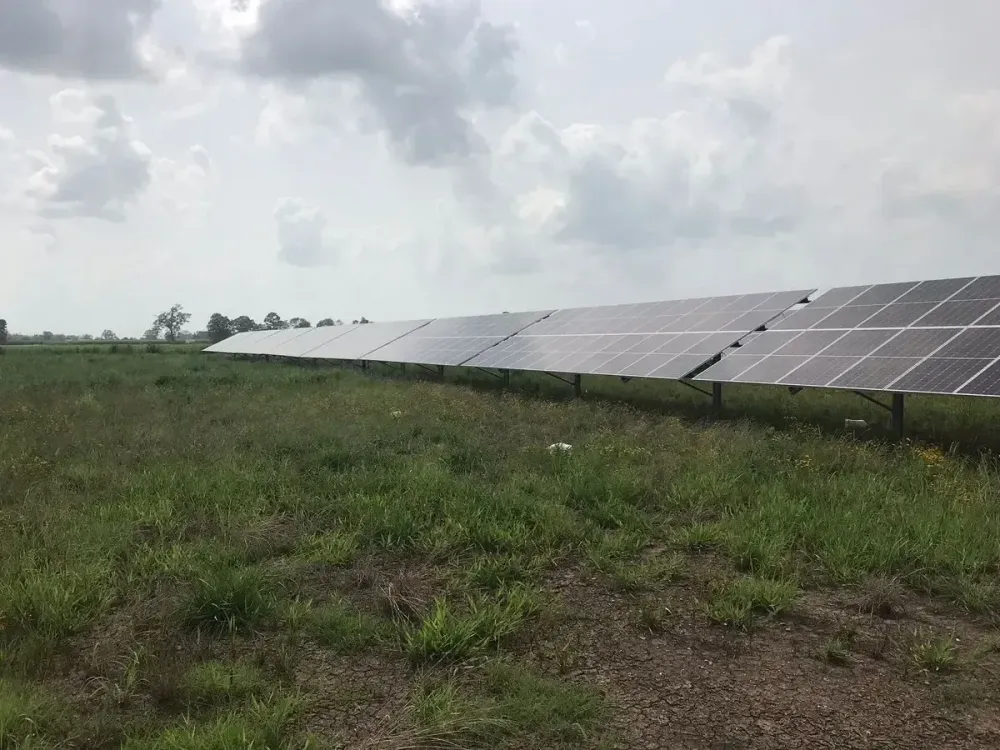
Most systems do not require constant hands-on work, but that does not mean they are set-and-forget forever. Inverter issues, communication faults, damaged components, vegetation growth on ground-mount sites, and weather-related wear can all affect performance over time. Good maintenance is about catching those issues early before they become larger production or safety problems.
Inspection cadence also matters. Some sites benefit from scheduled visual checks and performance reviews, especially where system size, site conditions, or business criticality justify a more active service plan. The right level of support depends on the asset, but every owner should at least understand what is being monitored and what triggers a service response.
Support for Commercial Owners
This is especially important for commercial, agricultural, and poultry customers who rely on predictable performance. If the system is tied to a business case, then support is part of the value proposition. A strong installer should be able to explain what the post-install experience looks like, how service is handled, and what the owner should expect over time.
Good operations and maintenance is not dramatic. Most of it is routine, quiet, and preventive. That is exactly the point. The best service model is the one that helps the system keep doing its job without forcing the owner to become a solar technician.
Whether you are evaluating a new system or already own one, good service should not be hard to find. Ask any installer you are considering to walk you through what their actual monitoring and maintenance plan looks like in year three, year seven, and year fifteen. The answer tells you a lot.
Related Reading
Delta Solar participates in the Heartland Challenge, showcasing solar energy solutions for agricultural and rural communities across the region.
The USDA REAP grant program increases maximum coverage to 50% of project costs, making solar even more accessible for rural and agricultural businesses.
A guide for agricultural businesses on how to maximize savings through the USDA REAP grant program combined with federal tax incentives.
Need help with a system you already own?
Our Arkansas service team handles diagnostics, repairs, warranty claims, and systems other installers left behind.
Request Service