Northeast Arkansas

Solar Installation in Jonesboro and the Northeast Arkansas Delta

Delta Solar works with row-crop farms, poultry operations, businesses, and homeowners across Jonesboro, Craighead County, and the broader NEA Delta. We size systems around real utility bills, real ground or roof conditions, and a service plan that holds up after the meter is set.

(501) 683-8835

Solar in Northeast Arkansas is driven by ag load, flat ground, and which utility serves the meter.

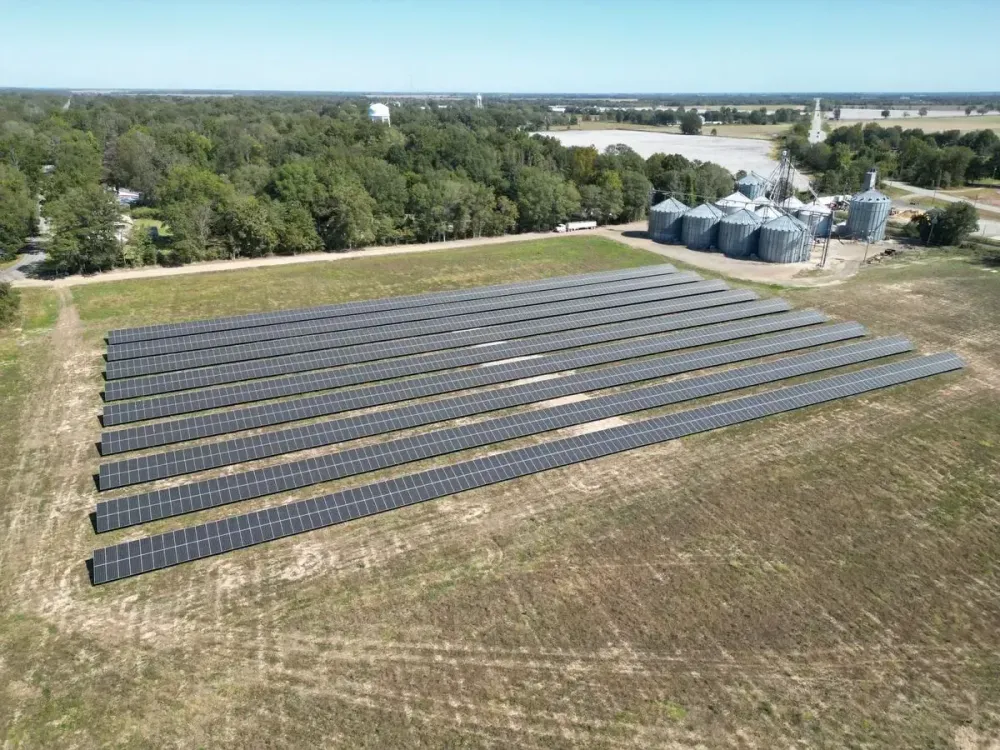
The NEA Delta runs on rice, soybeans, cotton, corn, and a heavy concentration of poultry operations from Craighead and Poinsett Counties up through Greene, Mississippi, and Cross. Those farms run irrigation pumps in the summer, grain dryers in the fall, and tunnel-vent poultry houses year-round, which creates load shapes that solar can actually match. The flat Delta topography also makes ground-mount projects practical in ways that hill-country sites in other parts of Arkansas cannot support, and the sun resource across this part of the state is among the best you will find in Arkansas.

Jonesboro itself is a different planning problem than the surrounding fields. City Water and Light is the municipal utility inside the Jonesboro city limits, and its rate structure and net-metering rules are not the same as Entergy Arkansas or the local cooperatives. A homeowner near Valley View, a clinic off Caraway Road, and a poultry farm outside Brookland can all need solar, but the financial model has to start with the right utility before any system size is quoted.

What NEA Solar Buyers Get From Delta Solar

  • USDA REAP grant and loan guarantee experience for eligible farms and rural small businesses across the NEA Delta
  • Ground-mount system design that takes advantage of flat Delta acreage, with proper drainage, racking, and access planning
  • Bill review built around the specific utility on the meter, including City Water and Light, Entergy Arkansas, Craighead Electric, and Mississippi County Electric
  • Poultry-house load modeling that accounts for tunnel ventilation, brooder loads, and seasonal flock cycles instead of generic kWh assumptions
  • Irrigation and grain-drying load review for row-crop operations where summer pumping or fall drying drives the bill
  • In-house service and monitoring support after the system is energized, with crews that can reach NEA addresses without a third-party call center

Solar in Jonesboro and NEA: What's Specific

The NEA Delta is flat, with very little terrain shading and a sun resource that ranks among the best in Arkansas. South-facing roofs and open farm acreage typically produce strongly through the year, and the open ground makes utility-scale ground-mount projects practical at sizes that would not fit on a constrained urban lot. Summer cooling and irrigation drive the peak bill for most accounts, while fall grain drying and year-round poultry ventilation extend strong production into the shoulder seasons. Severe weather risk is real in this part of the state, so racking, attachment, and grounding details should be specified with NEA wind and hail exposure in mind.

Permitting inside the Jonesboro city limits runs through City of Jonesboro inspections, with electrical sign-off coordinated through the city. Interconnection then follows whichever utility serves the address: City Water and Light for most in-city accounts, Entergy Arkansas in much of the surrounding territory, and the relevant cooperative for rural meters. Paragould, Trumann, Blytheville, Wynne, Forrest City, and West Memphis each have their own permit offices, and county-level review applies for ground-mount projects outside city limits.

Local Utilities We Work With

  • City Water and Light (CWL), Jonesboro

    Municipal utility inside the Jonesboro city limits. CWL sets its own rates and net-metering policy separate from Entergy, so a Jonesboro residential or commercial account has to be modeled against CWL's actual treatment rather than copying assumptions from an Entergy quote.

  • Entergy Arkansas

    Investor-owned utility serving portions of Craighead County outside Jonesboro, including several smaller incorporated towns, plus large portions of the broader NEA Delta. Standard Arkansas Public Service Commission interconnection rules apply, and we model net metering against the specific rate schedule on the account before sizing a system.

  • Craighead Electric Cooperative Corporation

    Member-owned cooperative serving rural Craighead, Poinsett, Crittenden, Greene, Independence, Lawrence, and Randolph Counties. Co-op interconnection paperwork, rate structure, and net-metering treatment differ from investor-owned utilities and need to be handled on their own terms, especially for ag accounts with irrigation or poultry loads.

  • Mississippi County Electric Cooperative

    Cooperative serving parts of Mississippi County, including areas around Blytheville and Osceola. Members should expect a different application process and rate review than Entergy or CWL accounts, and we confirm the right paperwork up front.

REAP and farm economics drive a lot of NEA projects.

USDA REAP grants and loan guarantees can meaningfully change the payback on a farm or rural small business solar project, and the Delta has been one of the more active regions for these awards in Arkansas. Eligibility, documentation, and timing matter, so we plan REAP-eligible projects around the application window and the actual production a system will deliver on the proposed site rather than the maximum size the budget would allow. Under USDA's new REAP rule, effective October 16, 2026, a project must be built and running for 12 months before it can apply for a grant, grants top out at $500,000 for a renewable energy system, and the owner covers at least 75% of cost. Guaranteed loans are still available for up-front costs on most projects, and we can plan the build so the system is ready to apply once it has a year of data. Our agricultural portfolio includes EG Farms, Isbell Farms, McGraw Farms, Stoner Farms, and other Delta operations that have used solar to take direct aim at irrigation, grain-drying, and poultry-house energy costs.

Poultry and row-crop loads reward ground-mount design.

Tunnel-vent poultry houses run fans heavily through the summer, brooders pull in the winter, and irrigation pumps drive the summer bill for row-crop farms. The flat ground around Jonesboro, Paragould, Trumann, and Brookland makes large ground-mount arrays practical without the slope, shading, and grading work that hill-country sites require. A well-placed ground-mount can sit close enough to the house complex or pump panel to keep wire runs reasonable and the financial result on track.

The NEA Delta installed base is aging into service work.

A growing share of Northeast Arkansas solar systems are now five, eight, or ten years old, and some were installed by companies that are no longer in business. Our service team works on those systems regardless of original installer, including inverter swaps, monitoring resets, storm-damage checks, and production diagnostics for farm and home accounts. Treating service as part of the buying decision matters more here as the installed base across the Delta keeps growing.

Service Area Across Northeast Arkansas

Delta Solar works with farms, businesses, and homeowners across the Jonesboro metro and the broader NEA Delta, from the Greene County line down to Crittenden County and east to the Mississippi River.

JonesboroBrooklandBayBonoCashLake CityParagouldTrumannMarked TreeBlack RockWalnut RidgePocahontasNewportWynneForrest CityBlythevilleOsceolaWest Memphis
FAQs

Common Questions

How is solar different on City Water and Light versus Entergy Arkansas in Jonesboro?

City Water and Light is a municipal utility with its own rate structure and net-metering policy, separate from Entergy Arkansas. A home or business inside the Jonesboro city limits is usually on CWL, while properties outside city limits are typically on Entergy or a cooperative. We confirm the utility on the meter first and model the financial result against that specific rate before recommending a system size, because the export treatment is not the same across the city line.

Can a Northeast Arkansas farm qualify for USDA REAP funding through Delta Solar?

Many NEA farms and rural small businesses can qualify for REAP grants and loan guarantees if the operation, location, and project specifics meet USDA requirements. Delta Solar has supported REAP projects across the Arkansas Delta and helps eligible customers plan the system, documentation, and timing around the application window rather than chasing the program after the fact. Under USDA's new REAP rule, effective October 16, 2026, a project must be built and running for 12 months before it can apply for a grant, grants top out at $500,000 for a renewable energy system, and the owner covers at least 75% of cost. Guaranteed loans are still available for up-front costs on most projects, and we can plan the build so the system is ready to apply once it has a year of data.

Does ground-mount solar make sense on Delta farmland?

Often yes. The flat Delta topography, strong sun resource, and open acreage around poultry houses, grain bins, and shop complexes make ground-mount systems practical at sizes that would be hard to fit on a typical urban roof. Site selection still matters for drainage, access, and proximity to the load and the meter, so we walk the proposed site rather than working from satellite imagery alone.

Will Delta Solar service a system on a Craighead Electric or Mississippi County Electric meter?

Yes. Our service division works on existing systems across NEA, including farm and residential accounts on the cooperatives. We can review available documentation, inspect the equipment, restore monitoring where possible, coordinate with the cooperative when needed, and recommend practical repairs whether or not we installed the original system.

CallGet Assessment