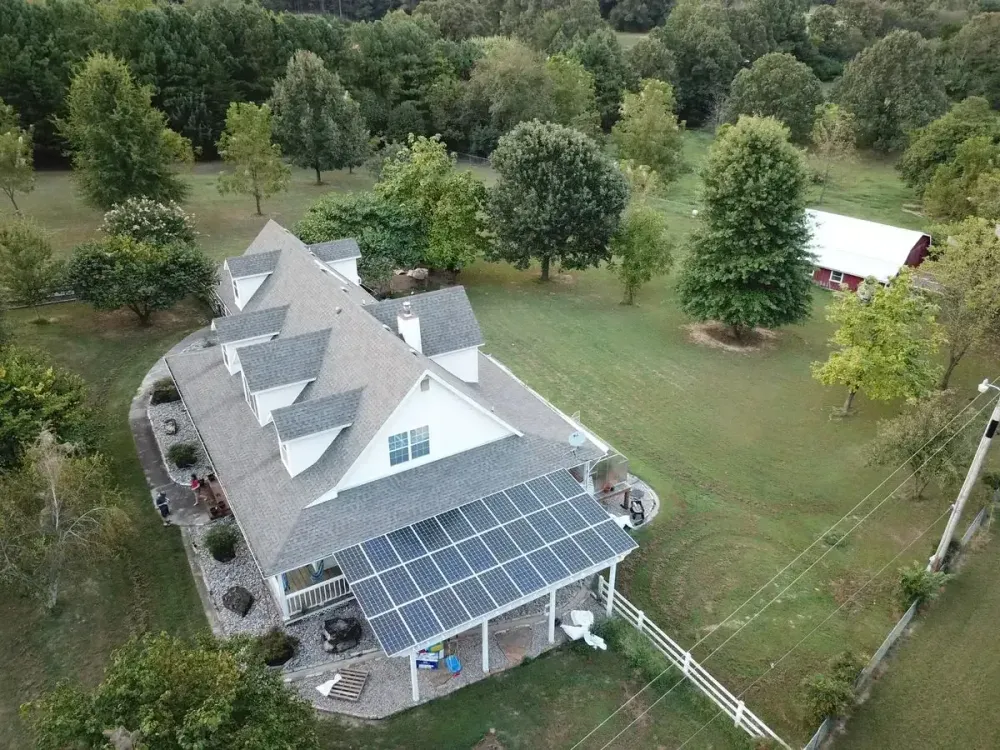
Solar Inspection Reports for Homes You're Buying
Buying a house with solar already on the roof? Get an independent pre-purchase inspection from Delta Solar so the system is an asset, not a closing-table surprise.
A general home inspector won't open the inverter or check the monitoring portal.
Most home inspectors note that solar is present and move on. A Delta Solar inspection looks at the array, the electrical work, the monitoring history, the ownership paperwork, and the realistic service picture for the years after closing.
The Seven Categories We Inspect
Each section gets a rating of Good, Fair, or Concern, with photo evidence and on-site notes so the buyer can read the report alongside the rest of the closing package.
Solar Panels & Array Layout
Panel make and model verification, count and orientation, tilt and azimuth, signs of cracks, hot spots, delamination, soiling, and the gap between the listed system and what's actually on the roof.
Roof Mounting & Structural Integrity
Racking attachment, flashing, roof penetrations, visible sealing, rafter condition, and signs of water intrusion in the attic underneath the array.
Inverter & Power Electronics
Inverter brand and model, mounting condition, fault codes, AC disconnect operation, and module-level optimizers or microinverters with LED status checks where accessible.
Wiring & Conduit
Conduit type, attic support and strapping, exposed wiring on the roof, UV-protected routing, and any loose or unsupported runs that may not meet NEC standards.
Electrical Panels, Disconnects & Labeling
AC disconnect labeling, rapid-shutdown placards, junction-box markings, main panel headroom, backfeed breaker placement, and visible NEC 705.12 (120%) bus-bar concerns.
Meter, Ground Equipment & Interconnection
Production and bidirectional meters, outdoor-rated conduit between meter and disconnect, vegetation encroachment, and the visible state of the utility interconnection.
Monitoring & Production History
Access to the monitoring portal (SolarEdge, Enphase, SMA, etc.), lifetime production numbers we can pull, expected vs. observed output, and whether the system has been generating as advertised.
Rating Scale
The Kinds of Findings You'll Actually See
A few representative items from recent Arkansas inspections. Details have been generalized; every property is different and the report calls out what's specific to the system on that roof.
Listed equipment does not match installed equipment
The original purchase agreement we found showed one panel make and wattage, but the monitoring portal and on-roof labels showed a different brand. The total system size matched, but the buyer should confirm warranty coverage for the panels that are actually installed.
NEC 705.12 (120% bus-bar rule) needs verification
Main panel was nearly full with a 150A main breaker on a 200A bus. The solar backfeed breaker size and location need confirmation before assuming the interconnection is compliant. This is a common deal-stage item.
PV disconnect label fields left blank
Required operating voltage and current fields on the red PV disconnect label were not filled in. Easy fix, but it's a code-compliance item that should be completed.
Unsupported attic conduit runs
Flexible metallic conduit was used in the attic (above standard), but several runs hung between framing members without strapping. NEC generally requires support every 4.5 to 6 feet and within 12 inches of boxes.
Loose wiring on the roof surface
A loose wire was hanging onto the shingles beneath the array. It should be secured with UV-rated clips. Loose wiring is exposed to wind, abrasion, and animal damage.
Inverter producing as expected
Monitoring portal showed steady year-over-year production and the inverter LEDs were normal at the time of inspection. No fault codes or visible weathering on the unit.
What You Receive
A delivered PDF report you can hand to your agent, lender, attorney, or seller. Plain English, prioritized findings, and photo evidence for every item.
- PDF report sized for the closing timeline
- Field photos for every finding
- Independent of the seller and the original installer
Executive Summary
A one-page overview of the system: size, equipment, installer, production-to-date, and an at-a-glance category rating table.
Detailed Findings
Each of the seven inspection categories with on-site notes, photo evidence, and a rating of Good, Fair, or Concern.
Prioritized Action Items
A clear list of what should be addressed before closing, what can wait, and what the seller should be asked to fix or disclose.
Considerations for the Buyer
Roof remaining useful life relative to the system's 25-year expected lifespan, documentation and warranty transfer steps, and monitoring portal access.
Photo Index
Field photos of every item referenced in the report so the buyer, lender, attorney, or seller can see exactly what we saw.
How the Inspection Works
A straightforward, four-step process designed to fit into a normal home-purchase timeline.
Tell us about the property
Send the property address, closing or option period date, and anything the listing or seller has shared about the solar system.
Quote and scheduling
We confirm a flat fee, the inspection window, and what we'll need on site (roof access, monitoring credentials if available, prior documents).
On-site inspection
A Delta Solar technician inspects the array, inverter, monitoring connection, and visible electrical work. Field photos and notes are captured.
Written report delivered
You receive a plain-English PDF report you can share with your agent, lender, attorney, or seller, with the issues prioritized for the closing conversation.
How Pricing Works
Inspection reports are a paid service, quoted as a flat fee before we schedule. The fee depends mostly on three things:
- Location. Travel time to the property is the biggest single variable, especially for homes outside the central Arkansas service radius.
- System size and access. Larger arrays, multi-roof layouts, or limited roof access take more time on site.
- How much investigation the report needs to cover. Missing documents, an unreachable original installer, or unresolved monitoring access can extend the scope.
Send the property address and what you know about the system through the form below and we will respond with a quote before any work begins.
Considerations Beyond the Equipment
Equipment is only part of the story. These are the items that affect a buyer's experience for years after closing.
Roof remaining useful life
If the roof needs replacing during the system's 25-year lifespan, the array has to come off and go back on at added cost. We flag visible shingle age so the buyer can weigh that against the solar timeline.
Documentation & warranty transfer
Panel and inverter warranties usually transfer with the home, but the buyer needs the right paperwork. We flag what the seller should be asked to provide before closing.
Monitoring portal access
Without monitoring access the new owner is flying blind. We confirm the system is online, capture lifetime production, and explain how to take over the portal.
Request a Solar Inspection
Tell us about the property and the closing timeline. We will respond with pricing and the next available inspection window.
- Independent of the seller and the original installer
- Written PDF report with field photos
- Same team handles service after closing if needed
Real estate agents can request inspections on behalf of clients. Mention you're an agent in the notes so we can coordinate access. Read more about inspections.
Service after closing
If the inspection turns up real service items, our Service Division can pick up where the report leaves off.
Residential solar
Planning to add or expand the system after you close? See our residential solar planning approach.
Selected projects
A look at the kind of Arkansas residential, agricultural, and commercial work our team has put in the field.
Common Questions
More questions? Call (501) 683-8835 or send a quick note through the inspection form above and someone on our team will follow up.
How quickly can a solar inspection be scheduled?
Most inspections can be scheduled within a few business days, depending on travel distance and the property's location in Arkansas. Let us know the closing or option period date when you reach out so we can prioritize the visit.
What does the inspection report cover?
We document the equipment that's actually on the roof, inverter and monitoring status, visible code-compliance items, the production history we can pull, and the questions a buyer should ask the seller or original installer. Every report includes field photos and a prioritized action list.
Can the inspection guarantee future solar production?
No inspection can guarantee future production, but a good inspection identifies visible concerns, missing documentation, monitoring problems, and likely service needs so the buyer is not surprised after closing.
Do you charge a fee for the inspection?
Yes. Solar inspection reports are a paid service. Pricing depends on system size, location, and how much investigation the report needs to cover. We'll quote a flat fee before scheduling.
Will you inspect a system installed by another company?
Yes. We inspect residential solar systems regardless of the original installer, including systems from companies that are no longer in business.