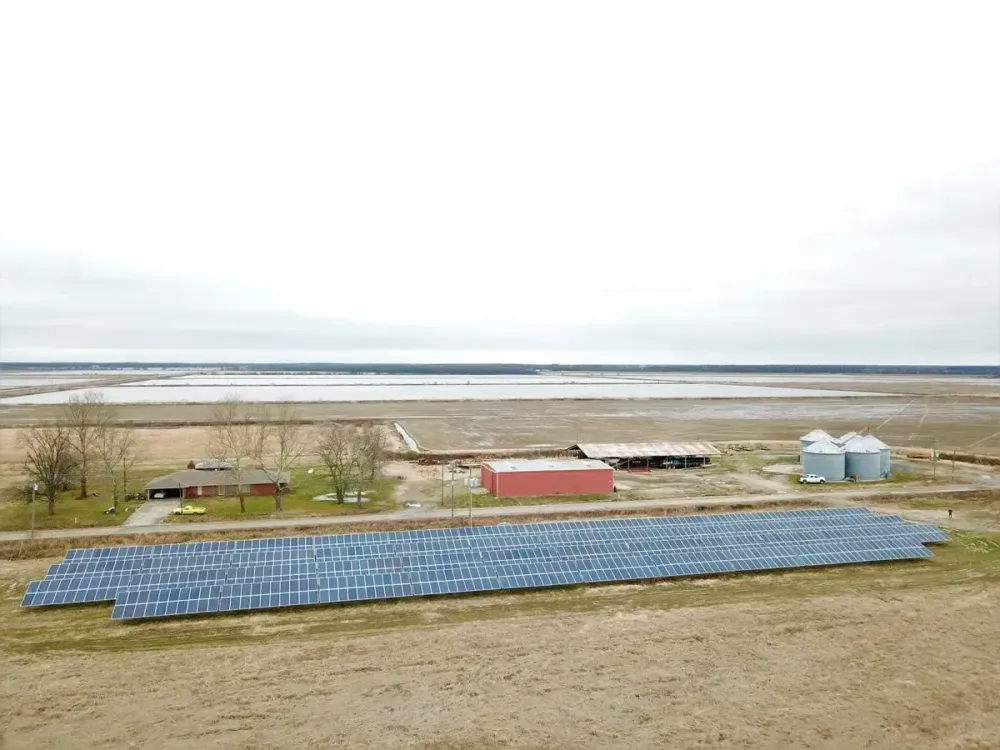
REAP Grant Increased to 50%
· Updated
Update, October 2026: USDA published a new REAP rule on October 1, 2026 (Federal Register document 2026-20178), and it takes effect October 16, 2026. The program now works very differently. A project must be fully built and running before you apply, and the application needs 12 months of actual production or savings data plus 12 months of data from before the installation. The largest grant request for a renewable energy system is $500,000, and the owner must cover at least 75% of project cost, so a grant pays for a quarter of the cost at most. The rule also favors systems sized to the operation and limits large ground mounts on cropland. Guaranteed loans are still available for up-front costs, though ground-mount solar over 50 kW is not eligible for them, and a grant and loan together cannot exceed 75% of project cost. USDA has not yet published the funding notice that will open applications under the new rule. The grant details below describe the program as it operated before these changes. New commercial and agricultural projects must be placed in service by December 31, 2027 to claim the federal credit, so for many farms the plan is now to build first, claim the credit, and apply for REAP after a year of operation. Talk to us about planning a project that way.
Great news for rural and agricultural businesses considering solar: the USDA Rural Energy for America Program (REAP) has increased its maximum grant coverage to 50% of eligible project costs, up from the previous 25% cap. This significant increase makes solar energy more financially accessible than ever for qualifying businesses.
The REAP grant program is specifically designed to help rural small businesses and agricultural producers invest in renewable energy systems and energy efficiency improvements. Combined with the 30% Federal Investment Tax Credit (ITC) and MACRS accelerated depreciation, eligible businesses can now offset the vast majority of their solar installation costs through incentives alone.
Delta Solar has worked through many REAP applications with Arkansas farms and rural businesses. The team handles the financial modeling, technical documentation, and application support that the grant package requires. If you're a rural or agricultural business in Arkansas considering solar, this is a strong window to look at the numbers.
Contact our team to learn more about how REAP, ITC, and MACRS can work together to make solar energy a smart investment for your operation.
Related Reading
Delta Solar participates in the Heartland Challenge, showcasing solar energy solutions for agricultural and rural communities across the region.
A guide for agricultural businesses on how to maximize savings through the USDA REAP grant program combined with federal tax incentives.
Written in 2022, this post explains how the Inflation Reduction Act set the federal solar Investment Tax Credit at 30% for commercial and institutional projects. Tax law has changed since then, so check our Tax Incentives page for the current rules.
Need a solar review for a farm or rural business?
See how system design, usage, and incentive timing fit together before you make a decision.
Explore Agricultural Solar