Fort Smith & River Valley

Solar Installation in Fort Smith, Arkansas for Homes, Businesses, and Industrial Sites

Fort Smith sits on a different utility map than the rest of Arkansas, with OG&E as the dominant electric provider and Arkansas Valley Electric Cooperative covering the surrounding River Valley. Delta Solar plans systems around those specific rates, the area's industrial load profile, and roofs that range from downtown commercial buildings to ridge-top homes north of the river.

(501) 683-8835

Solar in Fort Smith is shaped by OG&E, not Entergy.

Most of Sebastian County, including Fort Smith proper, is served by Oklahoma Gas and Electric rather than Entergy Arkansas or SWEPCO. OG&E's Arkansas operations are regulated by the Arkansas Public Service Commission, but the rate schedules, demand structures, and interconnection workflow are not the same as the utilities that cover the rest of the state. A proposal that assumes Entergy rules will not model a Fort Smith bill correctly, and the difference can be the entire payback on a commercial system.

Delta Solar works across Fort Smith, Van Buren, Greenwood, Alma, and the broader River Valley out to Clarksville and Russellville. The team builds each project around the actual utility serving the meter, the actual twelve months of usage on the bill, and the actual condition of the roof or ground site. Fort Smith has a long industrial history with ArcBest, Gerdau, Fort Chaffee, and the manufacturing base that grew up around the river, and the commercial load profiles in those buildings deserve a real review rather than a square-foot rule of thumb.
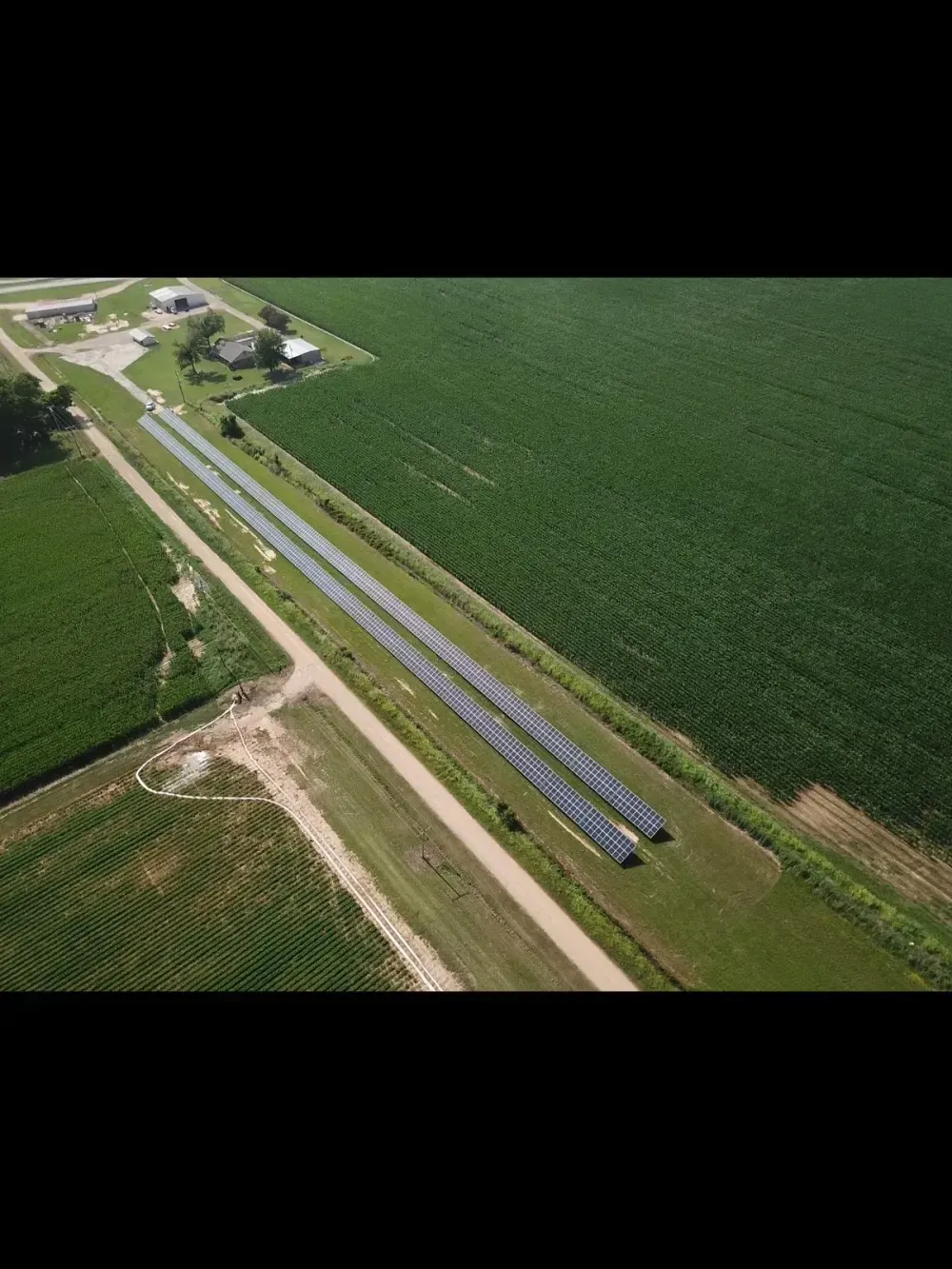
What Fort Smith and River Valley Customers Get From Delta Solar

  • Bill analysis built around OG&E Arkansas rate schedules, including the commercial and industrial schedules that drive most large Fort Smith accounts
  • Separate planning for Arkansas Valley Electric Cooperative members, whose rural and semi-rural service area covers much of Crawford, Franklin, Johnson, and Logan Counties
  • Site visits that account for downtown brick and metal commercial roofs, Chaffee Crossing new construction, and older homes in west Fort Smith with service panels that may need an upgrade
  • Permit handling through City of Fort Smith, plus Van Buren, Greenwood, Alma, and the surrounding River Valley jurisdictions that each run their own process
  • Commercial and industrial experience that matches Fort Smith's manufacturing, logistics, defense, and agricultural base
  • Local service after the system is energized: inverter support, monitoring fixes, production checks, and storm response without a third-party call center

Solar in Fort Smith: What's Specific

Fort Smith sits in the Arkansas River Valley, with a sun resource a touch higher than Northwest Arkansas and roughly on par with central Arkansas. Summers are hot and humid, and cooling load drives the peak electric bill for most homes and businesses. The land near the river is relatively flat, so roof orientation usually matters more than terrain shading, but lots moving north toward the Ozarks or south toward the Ouachitas can have real topography and tree cover to account for during a site review.

Most projects inside the city run through the City of Fort Smith for building and electrical permits. Van Buren, Greenwood, Alma, and the surrounding River Valley cities each have their own permit offices and timelines. Interconnection then runs through the utility serving the meter, which for Fort Smith proper is almost always OG&E, with Arkansas Valley Electric Cooperative handling much of the surrounding rural service area.

Local Utilities We Work With

  • OG&E (Oklahoma Gas and Electric)

    Investor-owned utility serving most of Fort Smith and Sebastian County. OG&E's Arkansas operations are regulated by the Arkansas Public Service Commission, but the rate schedules and interconnection process are distinct from Entergy and SWEPCO, so we model every Fort Smith proposal against the actual OG&E schedule on the account.

  • Arkansas Valley Electric Cooperative

    Member-owned cooperative serving rural parts of Crawford, Franklin, Johnson, Logan, and surrounding counties in the River Valley. Rate treatment and interconnection paperwork differ from OG&E, so cooperative members need their own model and application path rather than a copy of a Fort Smith city quote.

  • Arkansas Public Service Commission

    The state commission that oversees investor-owned utility rules in Arkansas, including OG&E's Arkansas territory. Net metering and interconnection standards adopted at the commission level set the framework that local utility tariffs operate under.

Industrial Fort Smith deserves a real load study.

The manufacturing, logistics, and defense-linked footprint around Fort Smith and Chaffee Crossing produces load shapes that are not well represented by residential rules of thumb. Demand charges, shift schedules, and seasonal swings all affect what system size actually moves the bill. We pull interval data when it is available and build the financial model against the real OG&E rate on the account rather than a generic per-kilowatt estimate.

River Valley geography varies more than the map suggests.

Lots along the Arkansas River near Van Buren and Alma are largely flat, while properties north toward Mountainburg and south toward Greenwood, Mansfield, and Booneville pick up real topography as they move into the Ozarks and Ouachitas. Tree cover, ridge orientation, and roof complexity all change the production model, so a useful site visit looks at the lot rather than relying on satellite images alone.

Service support matters as the installed base ages.

More Fort Smith and River Valley solar systems are now five to ten years old, and some were installed by companies that are no longer active. Delta Solar's Service Division supports existing systems across Arkansas, including monitoring resets, inverter swaps, and production diagnostics on equipment we did not originally install. Treating service as part of the buying decision is part of what protects the long-term value of the project.

Service Area in Fort Smith and the Arkansas River Valley

Delta Solar works with homeowners, businesses, farms, and facility owners across Fort Smith, Sebastian County, and the surrounding River Valley communities.

Downtown Fort SmithChaffee CrossingMassardWest Fort SmithVan BurenGreenwoodAlmaMountainburgLavacaCharlestonMansfieldHackettBoonevilleParisClarksvilleOzarkRussellville
FAQs

Common Questions

How is solar in Fort Smith different from Little Rock or Northwest Arkansas?

The dominant utility is the biggest difference. Most Fort Smith addresses are served by OG&E rather than Entergy Arkansas or SWEPCO, and OG&E uses its own Arkansas rate schedules and interconnection process under the Arkansas Public Service Commission. A proposal built on Entergy or SWEPCO assumptions will not model a Fort Smith bill correctly, so we always confirm the utility on the meter before quoting.

What about homes and farms on Arkansas Valley Electric Cooperative?

Arkansas Valley Electric Cooperative serves a large rural footprint across the River Valley, including parts of Crawford, Franklin, Johnson, and Logan Counties. Cooperative members have their own rate structure and interconnection paperwork, so we run a separate model against the cooperative's actual rate rather than copying assumptions from an OG&E quote.

Does Delta Solar handle large commercial and industrial projects in Fort Smith?

Yes. Fort Smith's industrial base, from logistics and distribution around Chaffee Crossing to manufacturing and supplier facilities across the metro, often has the kind of daytime load profile that solar can offset meaningfully. We work with facility teams to pull interval data, review the OG&E rate schedule, and build a financial model that reflects how the building actually runs rather than a generic per-square-foot estimate.

Will Delta Solar service a Fort Smith system that someone else installed?

Yes. Our service division works on existing systems across the River Valley, including systems from installers who are no longer in business. We can review available documentation, inspect the equipment, restore monitoring where possible, and identify practical repairs or inverter replacement options.

CallGet Assessment