Solar in Arkansas for 2026: What Buyers Are Asking Right Now
Every year brings a different mix of solar questions, and 2026 is no exception. The conversations are still centered on savings and incentives, but buyers are asking more detailed questions than they were a few years ago. That is a healthy sign. It usually means people are moving past general curiosity and trying to understand whether a project really fits their property or business.
Homeowner Payback Questions
For homeowners, one of the main questions is still about payback. People want to know what kind of bill reduction is realistic, how financing changes the picture, and whether they should add a battery from the start. In many cases, the right answer is more modest than the internet makes it sound. Not every home is a strong battery candidate, and not every solar project needs to chase maximum offset to be worthwhile. What matters is whether the design fits the roof, usage, and long-term goals of the household.
Commercial Buyer Priorities
Commercial buyers are often asking a different set of questions. They want to know how a project interacts with their operating schedule, rate structure, tax position, and future expansion plans. They are also more likely to ask whether a system should be roof-mounted, ground-mounted, or paired with storage. These are good questions because they push the design away from generic assumptions and toward a real business case.
Agricultural and Poultry Focus
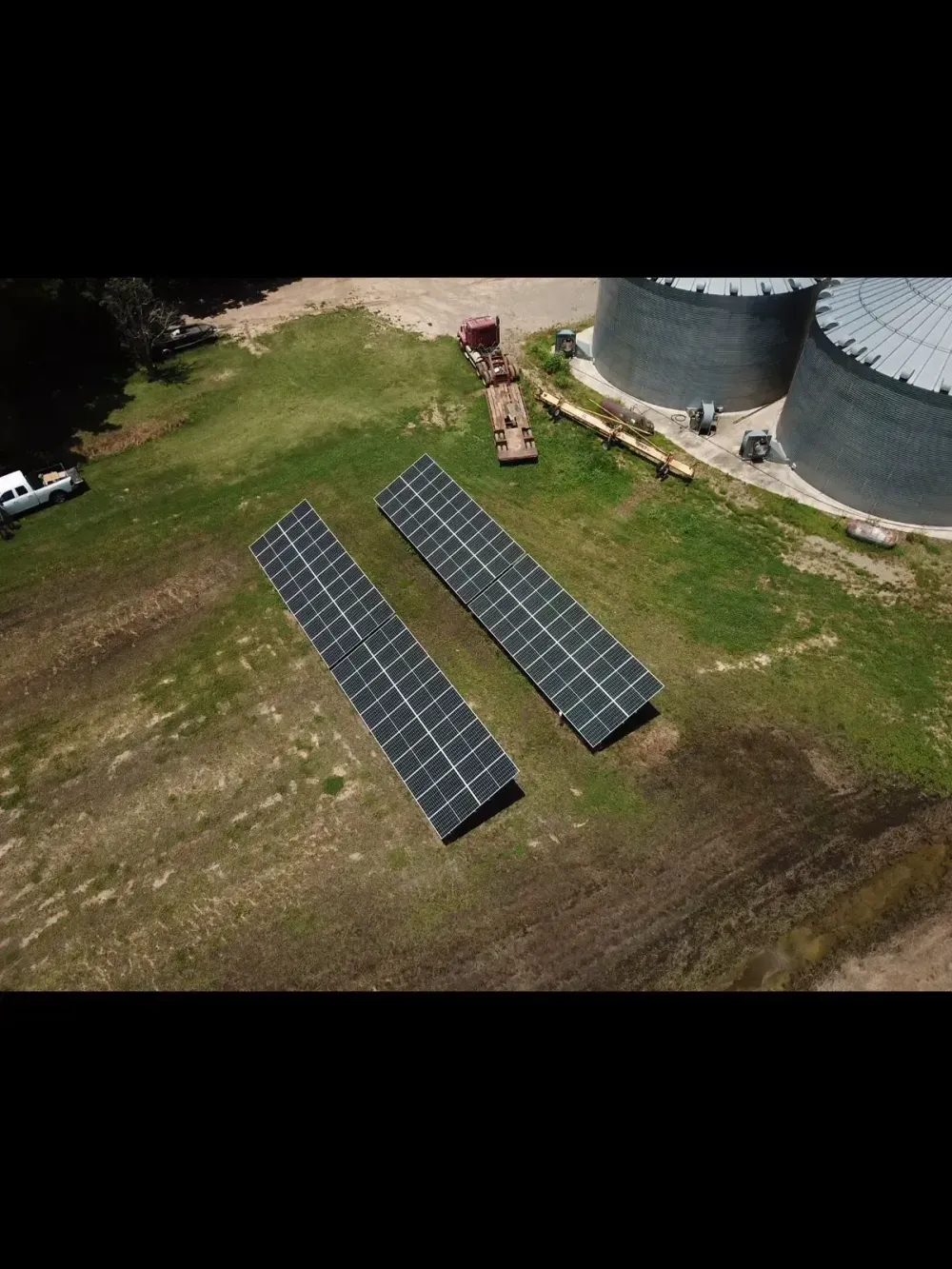
Agricultural and poultry customers are still heavily focused on controllable operating cost. On farms, the conversation tends to come back to usage patterns, available land, and how to size a project without overbuilding. Poultry growers in particular tend to be practical buyers. They want the numbers, they want the design to respect how the farm runs, and they want to know who will support the system after it is live.
Service and Incentive Trends
Service and monitoring have also become more important in the sales process. Buyers are less willing to accept vague answers about who handles issues after installation. That is a good development. Solar is a long-term asset, so post-install support should not be treated as an afterthought. Good monitoring, good communication, and a clear service path matter just as much as the day-one install.
Another recurring question is about incentives. Buyers still care about federal tax credits, grant opportunities, and the role of storage incentives, but the better conversations are less about chasing a headline and more about understanding total project economics. Incentives can improve a strong project. They should not be the only reason the project works.
If there is one theme running through 2026, it is this: buyers want clearer answers and fewer sales shortcuts. That is a good thing for the market. The strongest solar decisions still come from straightforward numbers, practical design, and a realistic view of how the system will perform over time.
If you are thinking about solar this year, the best next step is to start with the questions that matter to your property, your operation, and your budget. Send over a recent utility bill and we can walk through what the numbers look like for your specific situation.
Related Reading
Delta Solar participates in the Heartland Challenge, showcasing solar energy solutions for agricultural and rural communities across the region.
The USDA REAP grant program increases maximum coverage to 50% of project costs, making solar even more accessible for rural and agricultural businesses.
A guide for agricultural businesses on how to maximize savings through the USDA REAP grant program combined with federal tax incentives.
Want a residential review built around your home?
Talk through your roof, bill history, and likely system fit with a practical residential consultation.
Explore Residential Solar