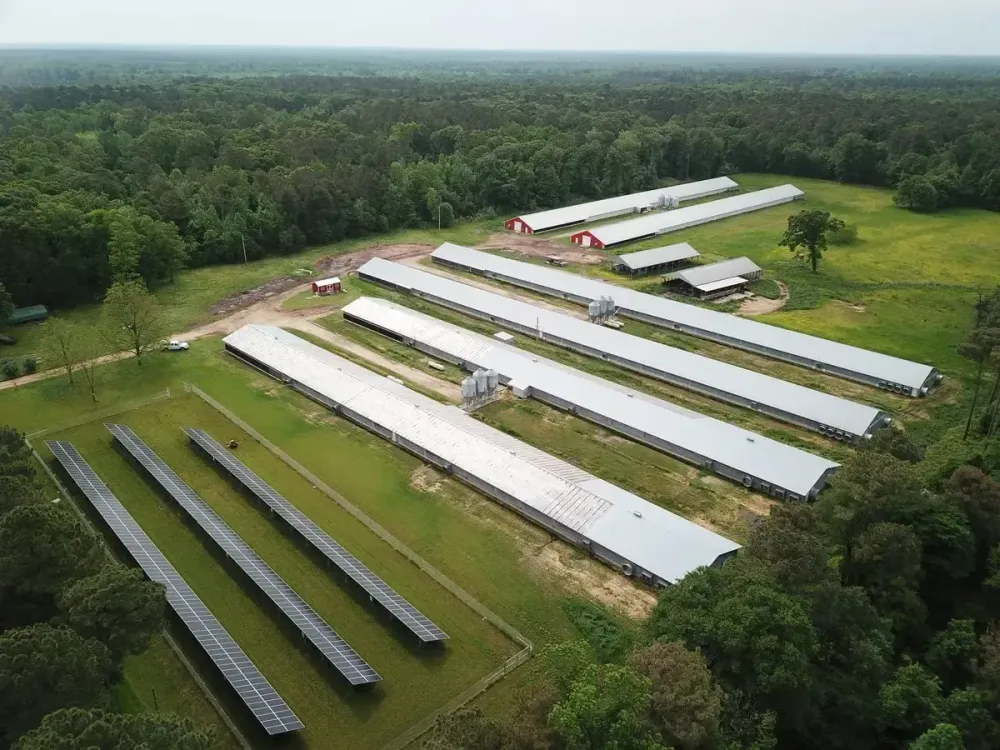
Solar for Poultry Farms: Where the Savings Usually Come From
Poultry operations are some of the most interesting solar projects in Arkansas because the energy use is real, steady, and tied directly to the economics of the farm. Ventilation, lighting, cooling, controllers, and supporting equipment all add up. That means electricity is not a side issue. It is part of the operating model.
Matching the System to Load
When solar works well on a poultry farm, the savings usually come from matching the system to the farm's actual load rather than trying to chase a big panel count. A farm with several houses, strong daytime demand, and a clear history of utility usage is often a good candidate for careful system design. The goal is not to install the biggest possible array. The goal is to install the right one.
One mistake growers sometimes make is focusing too heavily on a single headline number such as estimated yearly savings. That number matters, but it does not tell the whole story. You also need to know how the estimate was built. Was the proposal based on real farm usage? Does it reflect the utility rate structure? Is the offset target realistic? Does it account for how the operation changes seasonally? A good proposal should answer those questions clearly.
Not All Farms Are Alike
It also helps to remember that poultry operations are not all the same. House count, equipment age, ventilation setup, and site layout can all change the design. The same is true for available land or roof space. Some farms are a better fit for ground-mount systems, while others may need a different approach. If a quote looks like it could have been sent to any business in any state, it probably is not specific enough for a poultry operation.
Incentives and Ongoing Support
Federal incentives and rural business programs can also improve the case for solar on poultry farms, but they should support the project rather than rescue a weak one. If the base economics are sound, incentives can shorten payback and reduce risk. If the design itself is poor, incentives do not fix that. The best projects stand on solid energy math first.
Another important factor is operational confidence. Poultry growers do not need more complexity during demanding production cycles. That is why service, monitoring, and long-term support matter. A system should be easy to understand, easy to monitor, and backed by a team that will still be there after commissioning.
For farms that are a strong fit, solar can be a practical way to reduce one of the largest controllable expenses on the property. The right next step is a review based on utility data, farm layout, and a realistic plan for how the system will support the business over time.
Wondering whether solar fits your poultry operation? Send us twelve months of bills, your house count, and a rough farm layout, and we will tell you honestly whether the project pencils.
Related Reading
Delta Solar participates in the Heartland Challenge, showcasing solar energy solutions for agricultural and rural communities across the region.
The USDA REAP grant program increases maximum coverage to 50% of project costs, making solar even more accessible for rural and agricultural businesses.
A guide for agricultural businesses on how to maximize savings through the USDA REAP grant program combined with federal tax incentives.
Looking at solar for a poultry operation?
Get a review based on farm usage, site layout, and practical savings assumptions.
Review Poultry Solar