Commercial Solar for Arkansas Manufacturers: When Does It Actually Pencil?
Manufacturing facilities tend to ask better solar questions than almost anyone else. They usually know their energy spend matters, but they also know that not every capital project earns its place. That is why the real question is not whether solar sounds good. It is whether the project actually pencils for the plant.
Load Profile and Rate Structure
One of the strongest indicators is a meaningful and predictable electricity load. Facilities with solid daytime use are often better candidates because the system is offsetting energy in a way that lines up with operations. That is especially important when utility costs are large enough to be felt in the business but stable enough to model properly.
Rate structure matters just as much as usage. Two sites with similar annual consumption can have very different solar economics depending on how they are billed. Demand characteristics, energy charges, seasonal patterns, and the way excess production is credited all affect the outcome. A proposal that ignores those details may still look impressive, but it is not serious financial work.
Site Layout Shapes the Design
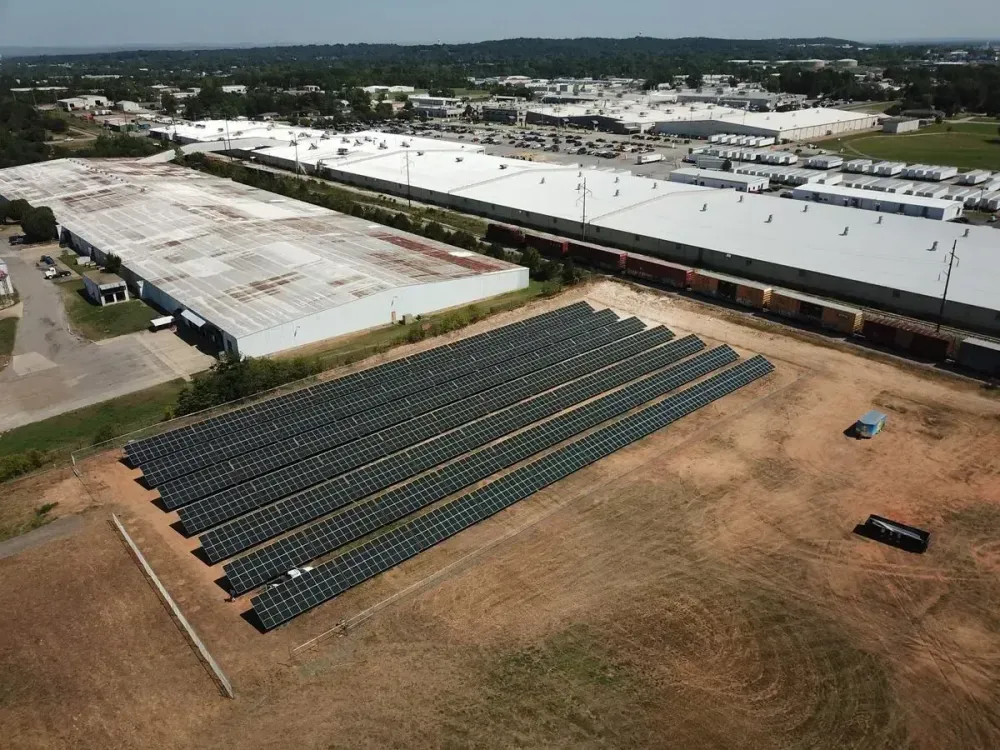
Site layout also shapes the answer. Some manufacturers have large roofs that support a clean rooftop design. Others are better candidates for ground-mount because of structural constraints, roof age, or future expansion plans. In some cases, the best answer is to design for a specific portion of the load instead of chasing the highest possible offset.
Separate Cost From Value
Commercial buyers should also separate project cost from project value. The cheapest proposal is not always the best one if it relies on weak production assumptions, vague service terms, or financing that obscures the real economics. Strong proposals explain the design logic, the expected production, the incentives available, and the basis for the savings model.
Federal tax credits and depreciation still improve the case for many manufacturers, but they should support a sound project rather than carry it. The best projects are the ones where the facility's energy profile already points toward a strong long-term fit.
If your plant is evaluating solar, the right next step is to look at usage, utility structure, available installation options, and how the project fits your broader operating plan. Every proposal should be built around the specific site rather than a generic template.
Related Reading
Written in 2022, this post explains how the Inflation Reduction Act set the federal solar Investment Tax Credit at 30% for commercial and institutional projects. Tax law has changed since then, so check our Tax Incentives page for the current rules.
Solar payback depends on system cost, incentives, utility rates, and how much power you use on site. Under Arkansas's current rules, a typical home system pays back in roughly 13 to 17 years.
A practical introduction to how commercial solar works, how net metering offsets utility costs, and why federal incentives improve project payback for Arkansas businesses.
Want to model a commercial project with real assumptions?
Start with a practical review of your facility, utility profile, and project options.
Explore Commercial Solar